How to Reduce Humidity in a House
By the Home Humidity team. Updated November 21, 2026.
Quick answer
To reduce humidity, fix water sources first, run exhaust fans, vent moisture outdoors, and use a dehumidifier if your home stays above 50% to 60%.
Eight steps that work
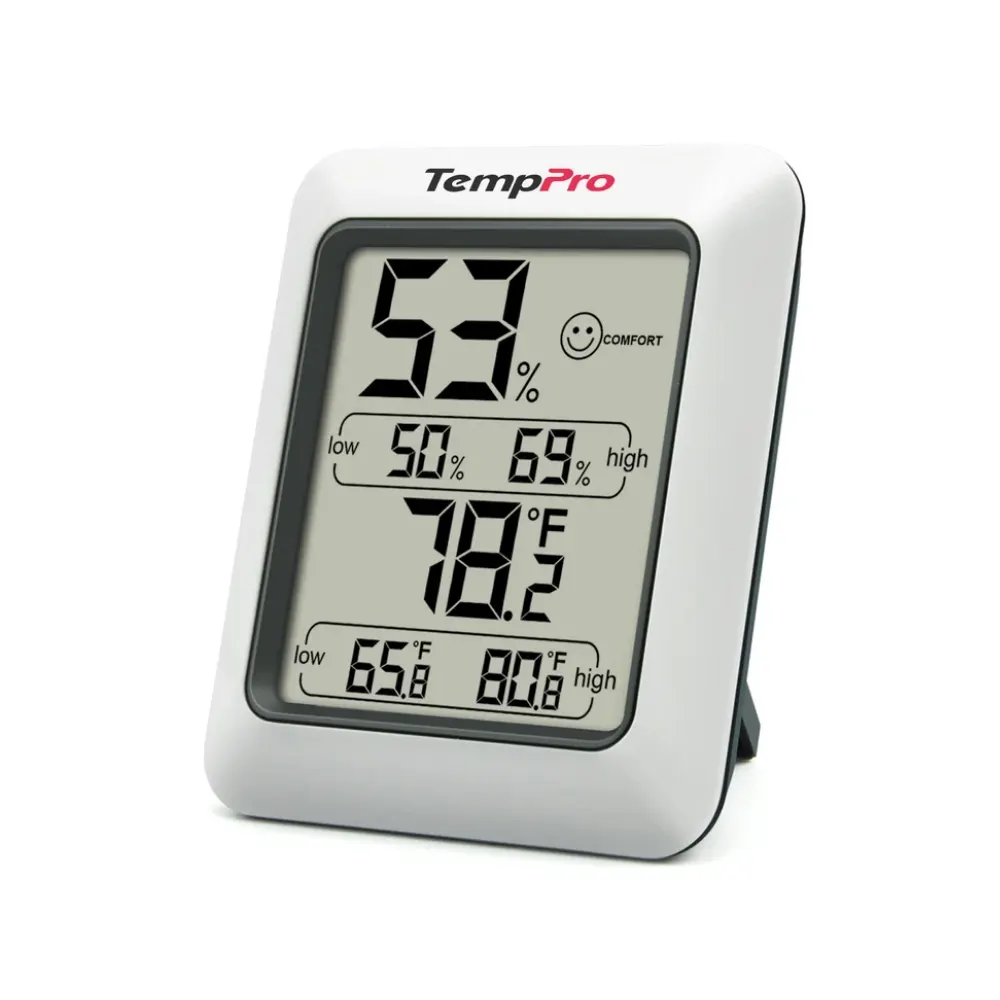
- Measure humidity with a hygrometer.
- Repair roof, plumbing and window leaks.
- Dry wet materials quickly, ideally within 24 to 48 hours.
- Run bathroom fans during and after showers.
- Use a kitchen exhaust fan that vents outdoors.
- Make sure your clothes dryer vents outside.
- Direct gutters and downspouts away from the foundation.
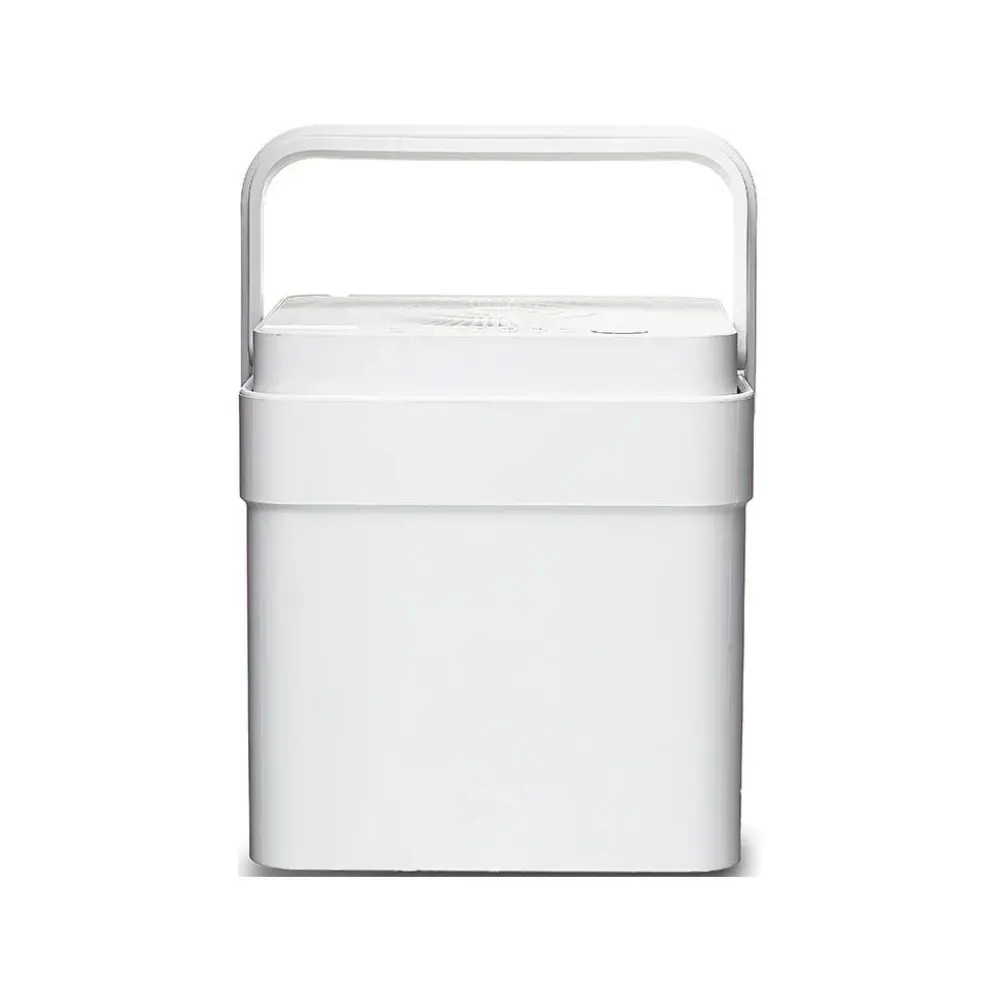
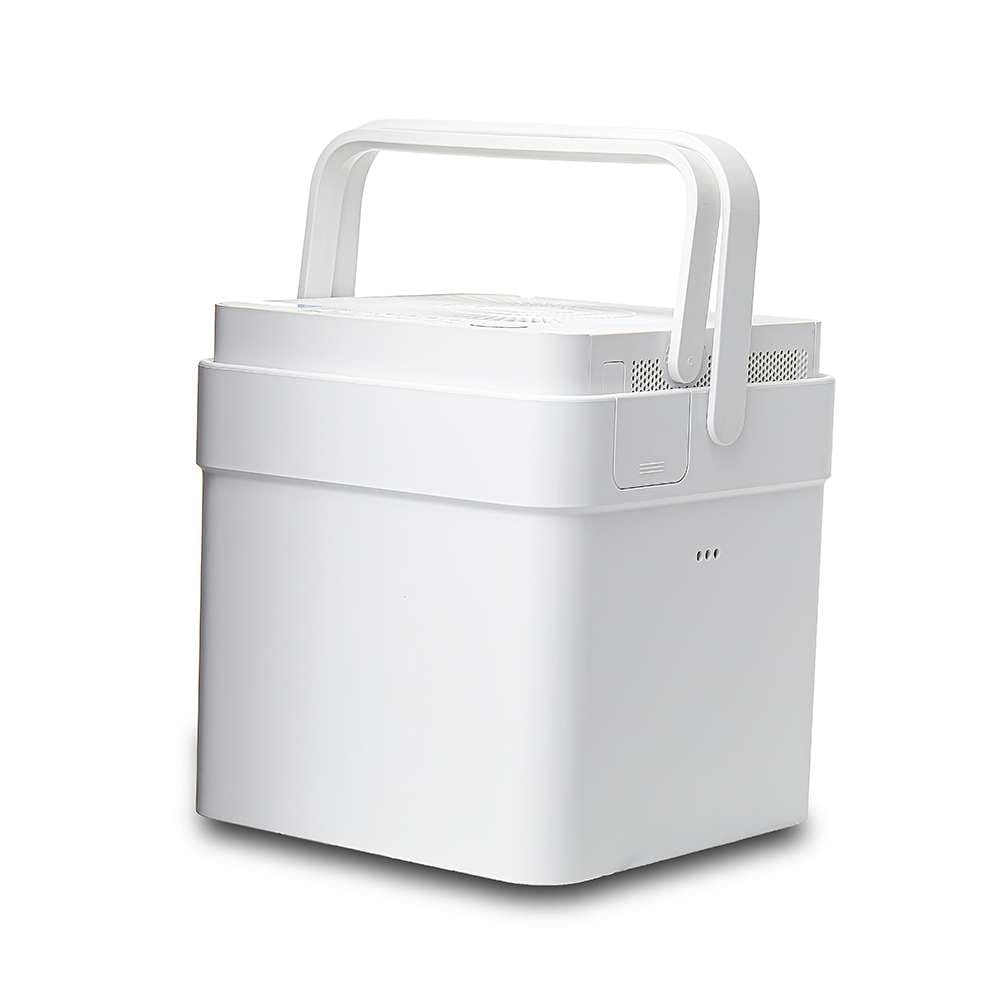
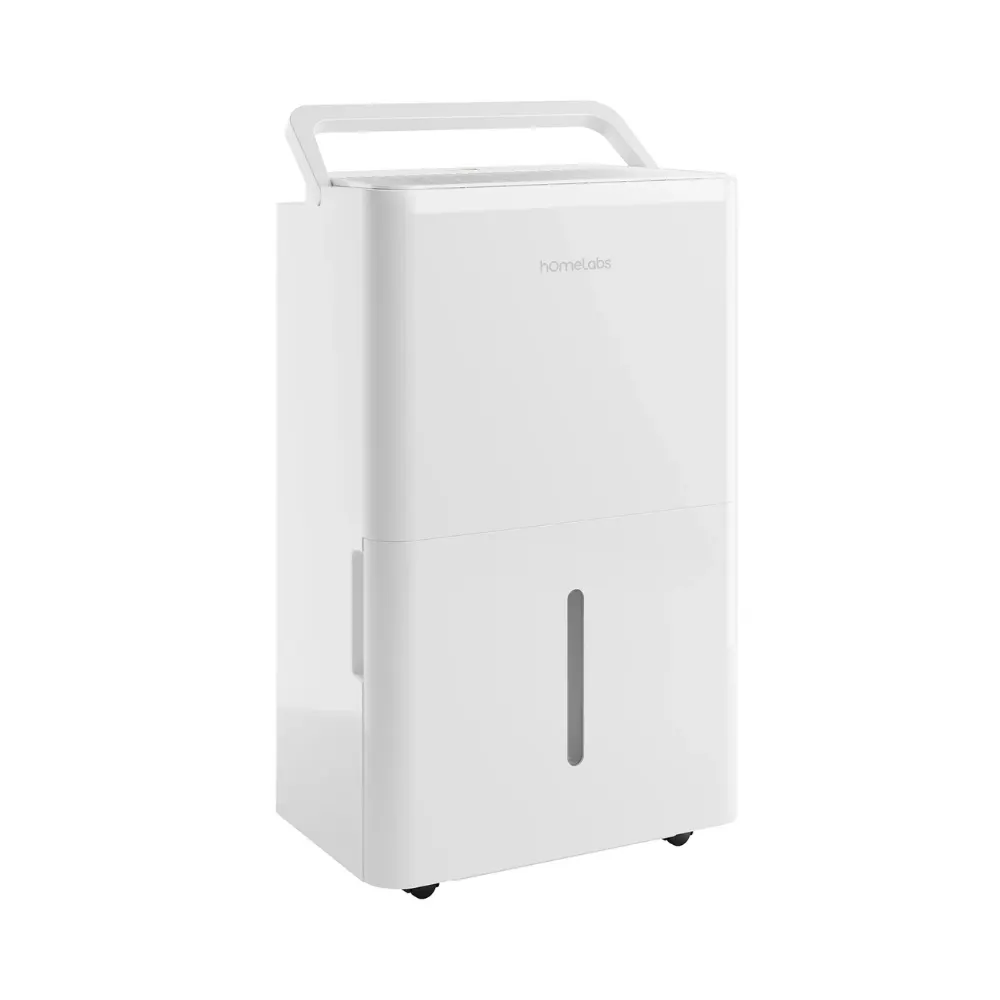
- Use a dehumidifier in damp rooms and basements.
When a dehumidifier makes sense
A dehumidifier helps when the air stays humid after you address obvious moisture sources. It will not repair a leak or poor drainage, so treat the cause too.
Use our size calculator or read what size dehumidifier you need.
When to get professional help
Call a qualified professional if you see repeated water entry, structural damage or a large area of mold. Moisture must be corrected, or the problem can return after cleanup.
Sources
- EPA: Main ways to control moisture in your home
- EPA: Mold course, chapter 2
- ENERGY STAR: Dehumidifiers
- University of Minnesota Extension: Moisture in basements
This guide is general home information and is not medical advice.